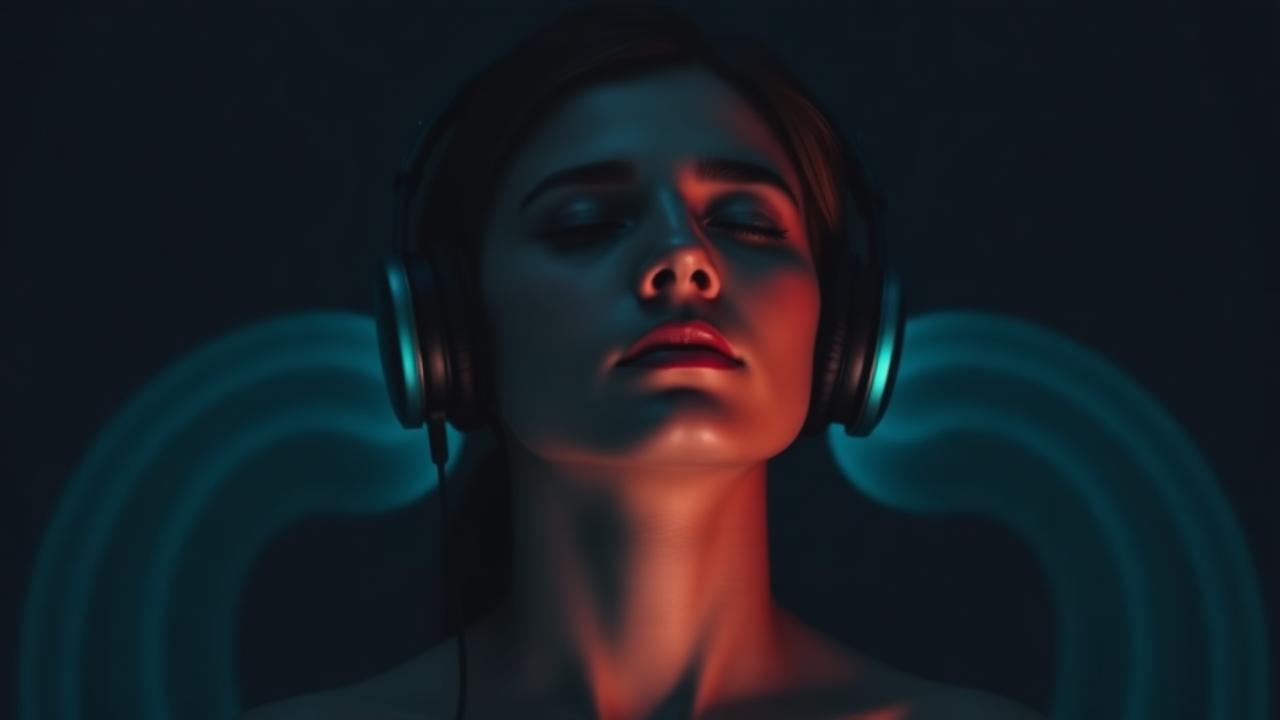
Nervous System Reset Music: Can Relaxing Sounds Really Calm Your Body?
Listen to this article
Listen to this article
Listen while you read
🏡 Cozy ambience
Press play and let the music stay with you while you read. No need to leave the page.
This player uses YouTube, which sets third-party cookies. Load it only if you want to.
Clicking accepts marketing/media cookies.
Introduction
You know the feeling. Your shoulders sit somewhere near your ears, your jaw is quietly clenched, and your mind keeps rehearsing the same worries. You put on a slow, ambient track — and within a few minutes, something loosens. Your breath drops lower into your body. The noise inside your head softens.
That everyday experience has a name in the wellness world: a nervous system reset. And the idea that music can help trigger one has moved from spa-language into serious research over the last two decades.
This guide breaks down what a nervous system reset actually is, how music influences your body, and how to build a simple listening practice that supports genuine rest — without any of the overpromises.
Table of Contents
- What Is a Nervous System Reset?
- How the Nervous System Works
- Can Music Help Calm the Nervous System?
- Why Ambient Music Works Better Than Loud Music
- Scientific Studies About Relaxation Music
- Best Types of Relaxing Music
- How to Build a Night Relaxation Routine
- Frequently Asked Questions
- Conclusion
What Is a Nervous System Reset?
"Nervous system reset" is a popular way to describe the shift from a state of stress and alertness into a state of rest and recovery. It's not a medical procedure — it's a change in the balance between the two main branches of your autonomic nervous system.
When people talk about "resetting" their system with music, breathwork, cold showers or a walk in nature, they're really describing the same thing: helping the body move out of chronic sympathetic activation (stress) and into parasympathetic activity (calm).
Quick Summary
A nervous system reset is not a cure. It's a shift — from tension and vigilance to rest and recovery. Music is one of the gentlest tools available to encourage that shift.
How the Nervous System Works
Your autonomic nervous system runs quietly in the background, regulating heart rate, digestion, breathing and stress hormones. It has two main branches, and modern life often leaves them out of balance.
Sympathetic Nervous System
This is the "activation" branch — sometimes called fight-or-flight. It ramps up heart rate, tenses muscles, sharpens attention and releases stress hormones like cortisol and adrenaline. It's essential in short bursts. It becomes a problem when it stays on for hours or days at a time.
Parasympathetic Nervous System
This is the "recovery" branch — often called rest-and-digest. It slows the heart, deepens breathing, supports digestion and lets tissues repair. This is the state your body needs for genuine relaxation and quality sleep.
Chronic stress essentially means your sympathetic branch runs the show too often. A "reset" is really just helping the parasympathetic branch take over for a while.
Science Note
Research suggests that heart rate variability (HRV) — the tiny variations between heartbeats — is one of the most reliable markers of parasympathetic activity. Higher HRV usually means better recovery, resilience and sleep quality.
Can Music Help Calm the Nervous System?
Yes — and the evidence is stronger than most people realize.
Multiple studies have found that slow, predictable, instrumental music can lower heart rate, reduce blood pressure, and decrease self-reported anxiety. Some studies indicate that listening to relaxing music before a stressful event blunts the cortisol spike that would normally follow.
The mechanism isn't magic. Slow music with a steady tempo tends to entrain your breathing and heart rhythm toward its own pace — a phenomenon researchers call rhythmic entrainment. Combined with the emotional safety of a familiar sound, this nudges your body toward parasympathetic dominance.
Current evidence shows this effect is most consistent when the music is:
- Instrumental (no lyrics to activate language processing)
- Slower than 80 beats per minute
- Predictable in structure, without sudden dynamic shifts
- Chosen by the listener, not imposed
Did You Know?
A 2013 study published in PLOS ONE found that participants who listened to relaxing music before a stress test recovered their nervous system baseline faster than those who rested in silence. The music group didn't feel less stress in the moment — they simply came back down faster afterward.
Why Ambient Music Works Better Than Loud Music
There's a reason a great pop song is exciting but a great ambient track feels like exhaling. They're doing different jobs for your nervous system.
Loud, fast, dynamic music activates your sympathetic system. That's often exactly what you want during a workout, a commute or a creative burst — but it's the opposite of a reset.
Ambient and relaxation music works differently. It usually has:
- A low dynamic range (no sudden volume changes)
- Long, sustained notes rather than punchy rhythms
- Soft harmonies without dissonance
- Natural or acoustic timbres (piano, strings, pads, field recordings)
Because there are no sharp surprises, your brain stops scanning for threats. Attention softens. Breathing slows. The body reads the environment as safe — which is the prerequisite for any real reset.
Tip Card
If a track makes you want to skip forward, it's probably too stimulating for a reset session. The right music for calming your nervous system should feel almost boring at first — that's the point.
Scientific Studies About Relaxation Music
Music and the nervous system have been studied for decades, and while no single study "proves" a universal effect, the pattern across research is clear.
- Cortisol and stress recovery. Several studies suggest that slow instrumental music helps cortisol return to baseline faster after a stressful event, compared to silence or ambient noise.
- Sleep quality. A 2015 Cochrane review of music-assisted sleep found modest but consistent improvements in sleep quality for adults with insomnia symptoms when they listened to calming music before bed for at least three weeks.
- Pain and recovery. Research in surgical and post-operative settings has repeatedly found that patients who listen to relaxing music report lower pain and anxiety and often need less pain medication.
- Blood pressure and heart rate. Multiple small trials have shown short-term reductions in blood pressure and heart rate during and shortly after listening to slow music.
None of this makes music a medical treatment. But it's a low-risk, low-cost tool with a genuinely encouraging body of evidence — which is why hospitals, therapists and sleep clinics increasingly build it into their protocols.
Best Types of Relaxing Music
Not all "chill" music helps your nervous system the same way. Here are the categories that consistently show up in relaxation research and listener preferences.
Rain
Rain sits in a similar frequency range to pink noise. It masks sudden sounds without being one itself, which is ideal for both winding down and staying asleep. Learn more in our guide on Pink Noise and Rain.
Ocean Waves
Waves roll at roughly the pace of a resting breath — around 6 to 8 cycles per minute. Many people find their breathing naturally slows to match, even without trying.
Forest Sounds
Layered birdsong, leaves and distant wind engage your attention gently. Research from environmental psychology suggests these soundscapes support attention recovery and lower stress — see our article on Nature Sounds.
Ambient Music
Slow synth pads, drones and long piano chords are the classic modern reset soundtrack. There's no melody to follow, no lyrics to decode, no rhythm to march to — just space.
Piano
Solo piano at a slow tempo remains one of the most consistently calming instruments. Its harmonic warmth and clear decay give the brain something beautiful to rest on without stimulating it.
Curious about how sound supports rest at night? Our piece on Sleep Music walks through what the research does and doesn't support.
Listening Recommendation
For your first reset session, try 20 minutes of slow piano or ambient music with your phone in another room. That single change — removing the notification device — often does more than the music itself.
Relax Your Mind Today
Explore DeepRelaxMusic's collection of relaxing soundscapes designed to help you unwind, focus and sleep better.
How to Build a Night Relaxation Routine
A nervous system reset works best when it's a habit, not a rescue. A short evening routine tells your body — every night, at the same time — that it's safe to power down. Music can be the anchor of that routine.
Here's a simple framework that's easy to stick to:
- Dim the lights 60 minutes before bed. Bright light suppresses melatonin and keeps your sympathetic system on. Warm, low light is the signal your body is waiting for.
- Put your phone on Do Not Disturb. Notifications are micro-doses of stress. Silence them completely, or leave the phone in another room.
- Start slow music 30 to 45 minutes before sleep. Something instrumental, under 80 bpm, at low volume. Compare options in our guide on Deep Sleep Music.
- Pair music with slow breathing for 5 minutes. Try inhaling for 4, exhaling for 6. Longer exhales are one of the fastest ways to activate the parasympathetic branch.
- Keep the same soundtrack most nights. Familiarity is a shortcut for the nervous system — your body learns that this sound means "we're safe now."
Some people prefer to layer soundscapes: rain over piano, or ocean under ambient pads. Others do best with a single steady sound like Brown Noise vs White Noise. There's no universally correct answer — just what your body responds to.
Tip Card
If you often wake up at 3 a.m., try a very quiet continuous track that runs all night. Sudden silence between phases of sleep can be enough to trigger a light-sleep awakening in sensitive sleepers.
Frequently Asked Questions
Is there really such a thing as "nervous system reset music"?
There isn't a specific genre approved by any medical body. What people call nervous system reset music is usually slow, instrumental, low-dynamic music that helps shift the body toward parasympathetic activity. Research on relaxation music, sleep music and ambient soundscapes all supports the same general effect.
How long should I listen to feel calmer?
Many listeners notice a shift within 5 to 10 minutes, especially when they combine music with slow breathing. For sleep-related benefits, current evidence suggests listening for at least 30 minutes before bed, most nights, for several weeks.
Can music replace therapy or medication for anxiety?
No. Music is a supportive tool, not a treatment. If anxiety, insomnia or chronic stress are affecting your life, please talk to a qualified healthcare professional. Music can complement therapy or medical care — it doesn't replace them.
Is it better to listen with headphones or speakers?
Both work. Headphones create a more immersive experience and are useful in noisy environments. Speakers at low volume are often more comfortable for long sessions and overnight sleep.
Do binaural beats reset the nervous system?
Some studies indicate binaural beats can help with relaxation and focus, but the evidence is mixed and effects are usually modest. For most people, well-chosen ambient or slow instrumental music produces a similar or better calming response with less setup.
What volume is best?
Low enough that a normal conversation would still be easy to hear. As a rule of thumb, keep it below 50 decibels for sleep and around conversational level for daytime relaxation. Loud music is stimulating, even when the track itself is slow.
Conclusion
There's no button you can press to instantly reset your nervous system — but there are gentle, repeatable habits that move your body in the right direction. Slow, thoughtful music is one of the most accessible.
The research is encouraging, not miraculous. Ambient and relaxation music can lower heart rate, reduce anxiety in the moment, and support better sleep over time. What it can't do is undo chronic stress on its own. That still takes rest, movement, connection, and — when needed — professional support.
If you take one thing from this guide, let it be this: create a small, consistent window in your day where the sound around you is deliberately calm. Twenty minutes of the right music, most nights, is enough for your body to start recognizing the signal.
Ready to Reset?
Press play on a slow, spacious soundscape and let your nervous system remember what rest feels like.
Keep reading: How to build a relaxing bedtime routine • Why sad music makes us feel good • How to calm your vagus nerve
This article was created with the assistance of AI and reviewed by our team for accuracy. It is intended for general wellness and informational purposes only and is not medical advice.