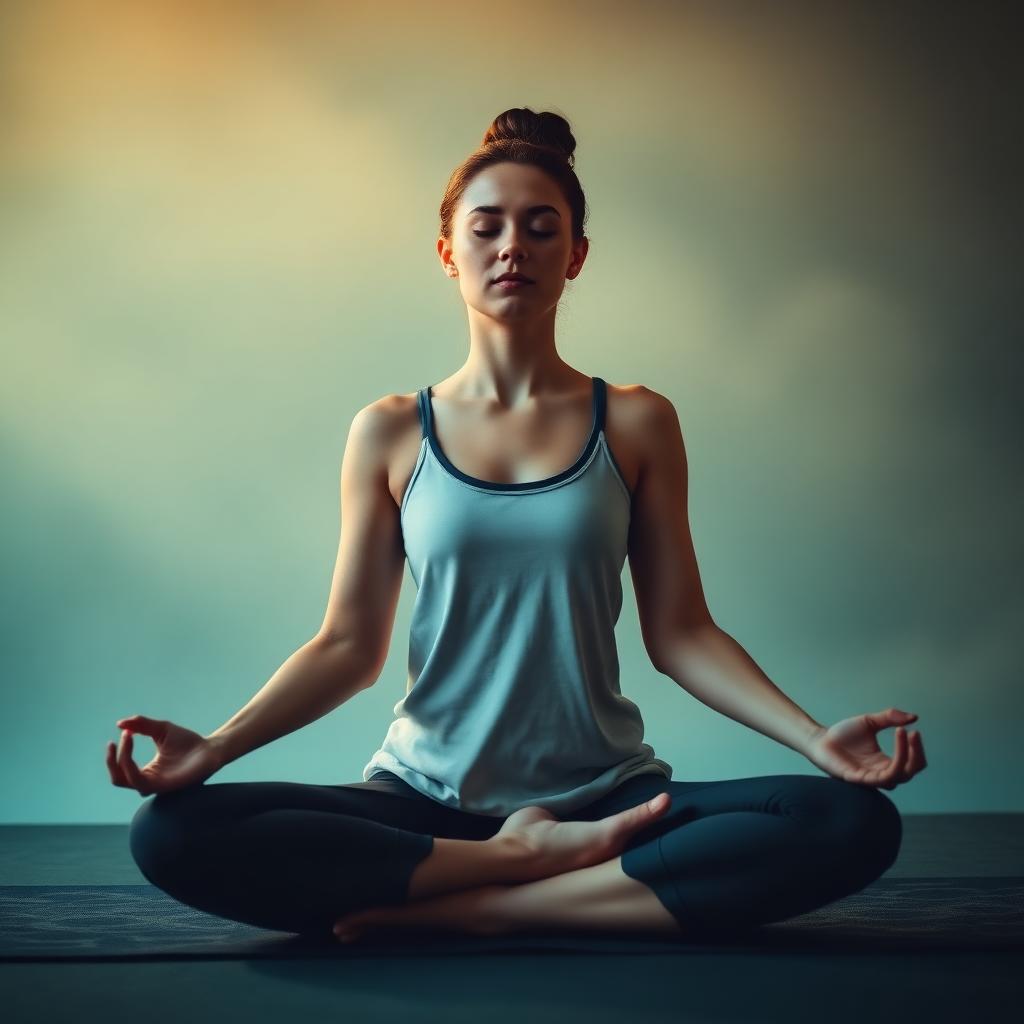
Meditation for Anxiety: 5 Science-Backed Techniques to Calm Your Mind
Introduction
Anxiety affects millions of people around the world. If you feel nervous, constantly worried, or unable to concentrate, you're not alone. The good news is that meditation for anxiety is a powerful, scientifically-proven tool to calm your mind and regain emotional control.
In this article you'll discover the best meditation techniques to reduce anxiety, how they work, and how to start today.
How does meditation for anxiety work?
When you experience anxiety, your body enters an alert state. Meditation activates the parasympathetic nervous system, the opposite of the "fight or flight" system. This lets your body relax, your breathing slow down, and your mind find peace.
Scientific studies show that regular meditation reduces cortisol (the stress hormone) and improves mental health overall.
5 Meditation techniques to calm anxiety
1. Deep breathing meditation
Breathing is the key to controlling anxiety. The 4-7-8 technique is especially effective: inhale for 4 seconds, hold for 7, and exhale for 8. This calms your nervous system instantly.
2. Mindfulness meditation
Focus on the present. Observe your thoughts without judging them. This technique teaches you to separate from anxiety rather than fight it.
3. Progressive body scan meditation
Scan your body from head to toe, relaxing each part. This reduces the physical tension that comes with anxiety.
4. Guided meditation
Listen to an instructor guide you through the meditation. Guided anxiety meditations are especially helpful if you're a beginner.
5. Meditation with relaxing music
Combine meditation with ambient music or natural sounds. Music activates pleasure centers in the brain and amplifies the benefits of meditation.
How to start meditating for anxiety
You don't need prior experience. Follow these steps:
- Find a quiet place
- Sit in a comfortable position
- Start with just 5–10 minutes
- Practice daily for best results
- Be patient — benefits grow with consistency
Proven benefits
Reduces anxiety symptoms by up to 40% according to clinical studies. It also improves sleep quality, lowers blood pressure, increases focus and mental clarity, and improves overall emotional wellbeing.
Conclusion
Meditation for anxiety is not a magic solution, but it is a proven tool that works. Thousands of people have transformed their lives with these simple techniques.
Ready to start? On Deep Relax Music you'll find free guided meditations designed specifically to reduce anxiety. Start today and discover the peace you're looking for.