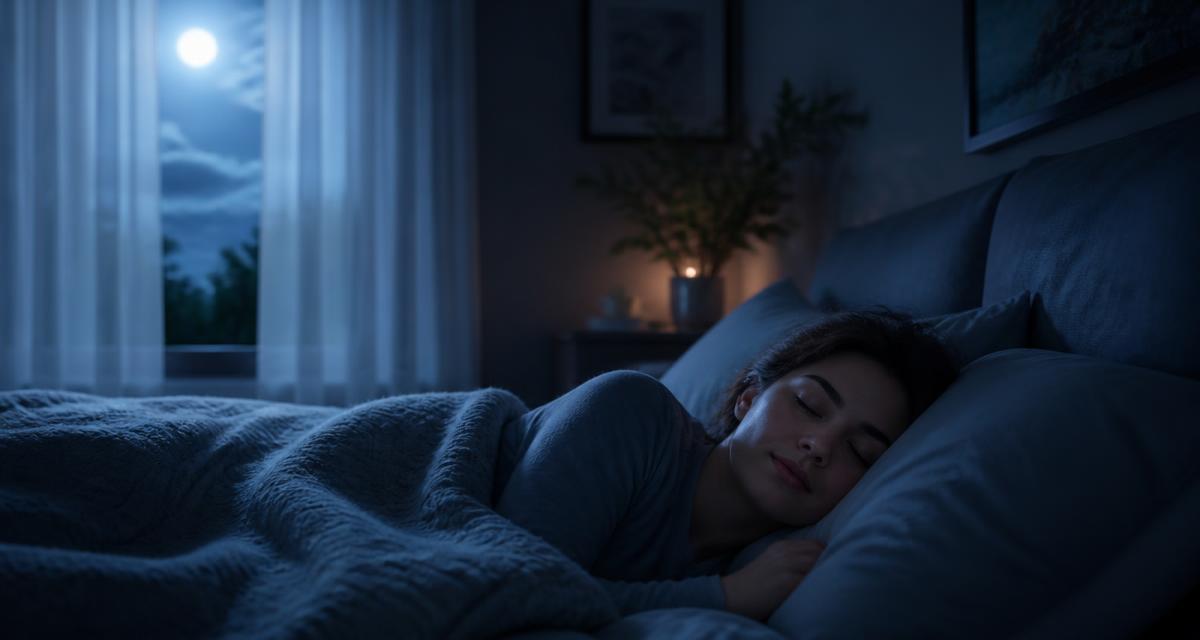
How Much Sleep Do You Really Need? A Guide by Age
Listen to this article
Listen to this article
Listen while you read
🌙 Sleep music
Press play and let the music stay with you while you read. No need to leave the page.
This player uses YouTube, which sets third-party cookies. Load it only if you want to.
Clicking accepts marketing/media cookies.
It is one of the most common questions about health, and one of the most confusing. Are you really supposed to get eight hours? Is six enough if you feel fine? Do you need less sleep as you get older? With so much conflicting advice, it is easy to feel unsure whether you are getting the rest your body actually needs.
The good news is that sleep scientists have done the work for us. Leading experts have studied this carefully and produced clear, evidence-based recommendations for every stage of life. Let's walk through exactly how much sleep you need, why it changes with age, and why the quality of your sleep matters just as much as the hours.
Recommended Hours of Sleep by Age
These ranges come from the National Sleep Foundation's expert consensus guidelines, which are also endorsed by organizations like the American Academy of Sleep Medicine and widely referenced by the CDC and the WHO. Here is how much sleep is recommended at each stage of life:
- Newborns (0-3 months): 14-17 hours a day. Sleep is spread across the whole day and night in irregular cycles, doing the heavy lifting for a rapidly developing brain and body.
- Infants (4-11 months): 12-15 hours a day, including naps.
- Toddlers (1-2 years): 11-14 hours a day, including naps.
- Preschoolers (3-5 years): 10-13 hours a day.
- School-age children (6-13 years): 9-11 hours a night.
- Teenagers (14-17 years): 8-10 hours a night. Teens also have a natural biological shift that pushes their body clock later, which is why early mornings can be such a struggle for them.
- Adults (18-64 years): 7-9 hours a night. Most adults function best somewhere around 8 hours.
- Older adults (65+): 7-8 hours a night.
A helpful note: these are ranges, not rigid rules. Some people feel great at the lower end, while others need every minute of the upper limit. An extra hour on either side may be appropriate for you as an individual, so use these as a guide, not a strict target.
Why Do We Need Less Sleep as We Age?
Notice how sleep needs drop steeply from infancy through the teenage years, then settle down in adulthood. That is because sleep does enormous developmental work when we are young, building brains, bodies, and memories. As we reach adulthood, our needs stabilize into that familiar 7-to-9-hour range.
But here is something that surprises most people: older adults do not need dramatically less sleep. The common belief that seniors can get by on just a few hours is a myth. Adults over 65 still need around 7-8 hours, which is very close to younger adults. What changes is not the amount so much as the quality and pattern. Older adults tend to experience lighter, more fragmented sleep, with less deep sleep and more awakenings during the night. This is a normal part of aging, but the underlying need for rest remains.
Is 6 Hours of Sleep Enough?
This is one of the most-searched sleep questions, and the honest answer for most people is: probably not, at least not consistently. While the occasional short night is completely normal, regularly sleeping fewer than 7 hours is linked to real consequences.
Research connects chronic short sleep with a higher risk of weight gain, heart disease, weakened immunity, and poorer focus and memory. One striking finding: studies have linked consistently getting 6 hours or less in mid-life with a higher risk of dementia later on. And here is the tricky part, many people who are chronically under-slept feel like they have "adapted" and are functioning fine, when in fact measurable deficits in concentration, mood, and performance are still quietly building up. Feeling used to it is not the same as being unaffected by it.
Quality Matters As Much As Quantity
Here is something crucial that the numbers alone do not capture: how you sleep matters just as much as how long. You could spend nine hours in bed and still wake up exhausted if your sleep was broken, shallow, or disrupted.
Good quality sleep means falling asleep reasonably quickly, staying asleep through most of the night, and moving through the full, restorative sleep cycles your body needs. So if you are hitting your hours but still feel tired, the issue may be your sleep quality, not the quantity. That is where your habits and environment make all the difference.
How to Get the Sleep Your Body Needs
Hitting your ideal sleep range is easier when you support your body with good habits. A few of the most effective:
- Keep a consistent schedule. Going to bed and waking up at roughly the same times, even on weekends, keeps your internal clock steady and makes falling asleep easier.
- Build a calming wind-down routine. Give your body a signal that the day is ending, with dim lights, a screen-free hour, and a relaxing activity before bed.
- Optimize your bedroom. Cool, dark, and quiet is the winning formula for deeper, less fragmented sleep.
- Watch caffeine and alcohol. Both can quietly sabotage your sleep quality, especially later in the day.
- Use calming sound. Soft, gentle music or soothing sounds can help you fall asleep faster and drift into deeper rest, giving your busy mind something peaceful to settle on.
Listen to Your Body
The recommended ranges are a wonderful starting point, but you are the final expert on your own body. The best real-world test is simple: pay attention to how you feel during the day. If you consistently wake refreshed and feel alert and steady through your day, you are likely getting the sleep you need. If you are dragging, foggy, or reaching for caffeine just to function, your body may be asking for more or better rest.
A Final Word
Sleep is not a luxury or a sign of laziness, it is one of the foundations of your physical and mental health, right alongside good food and movement. Whatever your age, giving your body the rest it needs is one of the kindest and most powerful things you can do for yourself.
So tonight, honor your body's needs. Set the stage for good rest, wind down gently, and perhaps let some soft music ease you toward sleep. You deserve to wake up feeling truly rested.
If you regularly struggle to fall asleep, stay asleep, or wake unrefreshed despite spending enough time in bed, it is worth speaking with a doctor, as this can sometimes signal a treatable sleep issue.
At Deep Relax Music, we create soft instrumental music and gentle sounds, made to help you fall asleep faster and rest more deeply, whatever your age. Press play, breathe slow, and let sleep come.
Keep reading: Why does music help you sleep • How to build a relaxing bedtime routine • Why do I wake up at 3am • How to calm a racing mind at night • White, pink and brown noise explained • How to take the perfect power nap • How to reset your circadian rhythm
This article was created with the assistance of AI and reviewed by our team for accuracy. It is intended for general wellness and informational purposes only and is not medical advice.