Why Do I Wake Up at 3am? Causes and How to Fall Back Asleep
Listen to this article
Listen to this article
Listen while you read
🌙 Sleep music
Press play and let the music stay with you while you read. No need to leave the page.
This player uses YouTube, which sets third-party cookies. Load it only if you want to.
Clicking accepts marketing/media cookies.
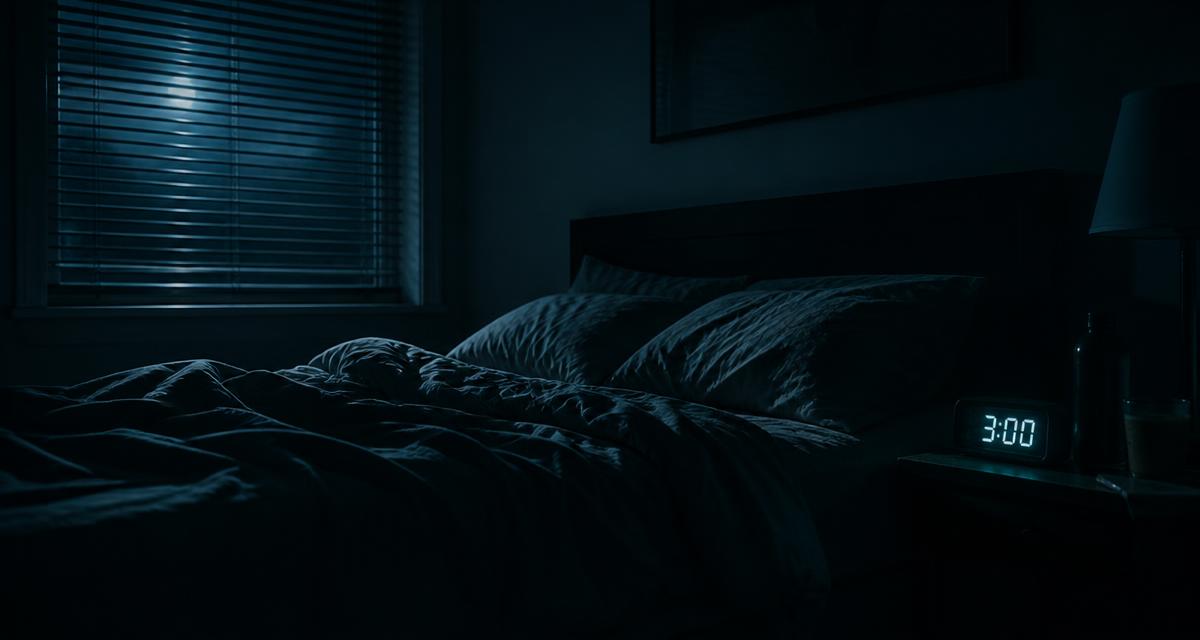
You were sleeping peacefully. Then, without warning, your eyes snap open. You glance at the clock: 3am. Again. Now you are wide awake, maybe with your heart racing, staring at the ceiling and wondering why this keeps happening, and how on earth you are supposed to get back to sleep.
If this is a familiar scene, take comfort: you are far from alone. Waking up in the middle of the night, often around the same time, is one of the most common sleep complaints there is. The good news is that it usually has understandable causes, and there is plenty you can do about it. Let's explore why it happens and how to gently drift back to sleep.
First, Don't Panic About the Time Itself
Let's clear up one thing right away. Many people find the precise timing eerie, the same hour, night after night, but sleep specialists note that the exact time really is not that significant. Your sleep runs in cycles throughout the night, and there are natural moments of very light sleep when you are more easily roused. If something wakes you during one of those lighter windows, and you happen to check the clock, you start to notice a pattern. The 3am itself is not a mystery or a message. It is just when your sleep naturally thins out.
So if you have been worrying that waking at 3am means something is wrong, you can let that particular worry go.
The Most Common Reasons You Wake at 3am
Your Cortisol Is Naturally Rising
Here is a big one that surprises people. Cortisol, often called the stress hormone, also helps regulate your sleep-wake cycle, and its levels naturally begin to rise in the early morning hours, often between 2 and 3am, to gradually prepare your body to wake for the day.
If you are already stressed or anxious, that natural rise can tip you over into full wakefulness. Your heart rate and alertness climb, and suddenly you are awake. This is one of the most common reasons stressed people find themselves staring at the ceiling in the small hours.
Stress and a Racing Mind
This ties directly to the point above. The middle of the night is quiet and free of distractions, which makes it prime time for your brain to start replaying worries. And here is the cruel loop: waking up, seeing the clock, and panicking ("I have to be up in four hours!") triggers a rush of cortisol and adrenaline, shutting off the calm state you need for sleep and locking you into fight-or-flight. The worry about being awake becomes the very thing that keeps you awake.
Alcohol or Caffeine
What you drink has a big effect. Alcohol may help you fall asleep initially, but as your body processes it, it fragments your sleep later in the night and robs you of restorative REM sleep, often causing a wake-up in the small hours. Caffeine, too, can linger in your system and lead to increased nighttime awakenings, even if you managed to fall asleep just fine.
Eating Too Late
Your last meal matters. Eating a large meal late in the evening can disrupt your sleep, as your body is busy digesting when it should be resting. A late, heavy dinner is a common and easily overlooked culprit.
Your Bedroom Environment
Sometimes the cause is simple and physical. Noise, light, or a room that is too warm or too cold can rouse you from a lighter phase of sleep. Even small disturbances can wake you at the moment your sleep is naturally most fragile.
Age and Hormonal Shifts
As we get older, we naturally spend less time in deep sleep and wake more easily during the night. This is a normal part of aging, not a cause for alarm. Hormonal changes, such as those during menopause, can also contribute to more frequent nighttime waking.
What About the "Spiritual" Meaning of 3am?
You may have read that waking at 3am has a spiritual meaning, a sign of awakening or heightened awareness. This is a personal interpretation, and if it brings you comfort or meaning, there is nothing wrong with holding it gently. But medically speaking, consistent waking at this hour is far more likely tied to the biological and lifestyle factors above. Both views can coexist, the important thing is that if it is disrupting your wellbeing, you address the practical root cause.
How to Fall Back Asleep at 3am
When you do wake, the single most important thing is this: the calmer you stay, the easier it is to drift back off. The goal is to guide yourself out of frustration and into relaxation. Here is how.
Don't check the clock. Seeing the time often triggers stress and mental math about how much sleep you are losing. Turn the clock away and resist the urge to look.
Don't reach for your phone. The bright light and stimulation are the enemy of falling back asleep. Leave it alone.
Try slow, deep breathing. This is your most powerful tool. Slow breathing activates your body's relaxation response and counteracts that fight-or-flight surge. Breathe in gently, and make your exhale longer than your inhale. Even a few slow breaths can begin to settle you.
Relax your body deliberately. Starting at your toes and moving up, gently tense and then release each muscle group. This progressive relaxation releases physical tension and gives your mind something calming to focus on.
If you're still awake after about 20 minutes, get up. Lying in bed frustrated only teaches your brain to associate bed with stress. Get up, keep the lights dim, and do something calm and quiet, like reading a few pages, until you feel sleepy again. Then return to bed.
Let gentle sound carry you. Soft, calming music or quiet nature sounds can give your restless mind something soothing to rest on, masking the silence and easing you back toward sleep without demanding your attention.
How to Wake Up at 3am Less Often
Prevention helps too. To reduce those middle-of-the-night wake-ups, try to keep a consistent sleep schedule, avoid caffeine in the afternoon and alcohol in the evening, avoid large late meals, keep your bedroom cool, dark, and quiet, and build a calming wind-down routine so you fall asleep relaxed rather than wired. Managing daytime stress makes a real difference too, since it is so often the hidden driver behind that cortisol spike.
When to Talk to a Doctor
The occasional restless night is completely normal. But if you regularly wake in the night and cannot get back to sleep, and it is affecting your energy, mood, or daily life, it is worth speaking with a doctor or sleep specialist. Persistent sleep problems sometimes point to something treatable, like insomnia or sleep apnea, and getting support can make a world of difference. Reaching out is a smart, caring thing to do for yourself.
Be Gentle With Yourself Tonight
Waking at 3am is frustrating, but it does not have to ruin your night. The next time it happens, resist the urge to panic or check the clock. Instead, soften your body, slow your breath, and perhaps let some gentle music hold you. Remind yourself that this is common, it is usually harmless, and rest will come.
You are not broken, and you are not alone in the dark. Breathe slow, stay calm, and let sleep find its way back to you.
At Deep Relax Music, we create soft instrumental music and gentle sounds, made to help you drift off and to guide you back to sleep when the night feels long. Press play, breathe slow, and rest.
Keep reading: Why does music help you sleep • How to calm a racing mind at night • The 4-7-8 breathing technique • How to build a relaxing bedtime routine • Why nature sounds help you relax • How to reduce stress during a busy day • How much sleep do you really need? A guide by age • Why do rain sounds help you sleep • How to reset your circadian rhythm • What is NSDR (non-sleep deep rest)?
This article was created with the assistance of AI and reviewed by our team for accuracy. It is intended for general wellness and informational purposes only and is not medical advice.